Single-pilot operations in high-performance turboprops demand more than just stick-and-rudder skills; they require superior mental processing. When we fly solo, the burden of navigation, communication, and systems management falls entirely on our shoulders. At RTC, we emphasize Single-Pilot Resource Management (SRM) as the foundation for maintaining a wide safety margin in every flight.
The Complexity of Modern Turboprop Systems
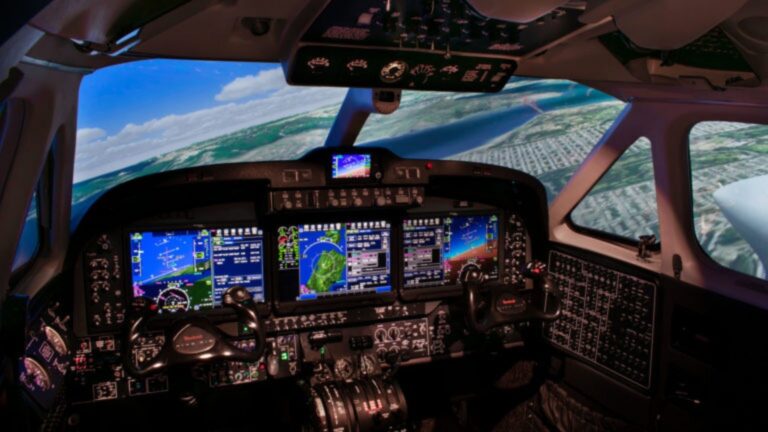
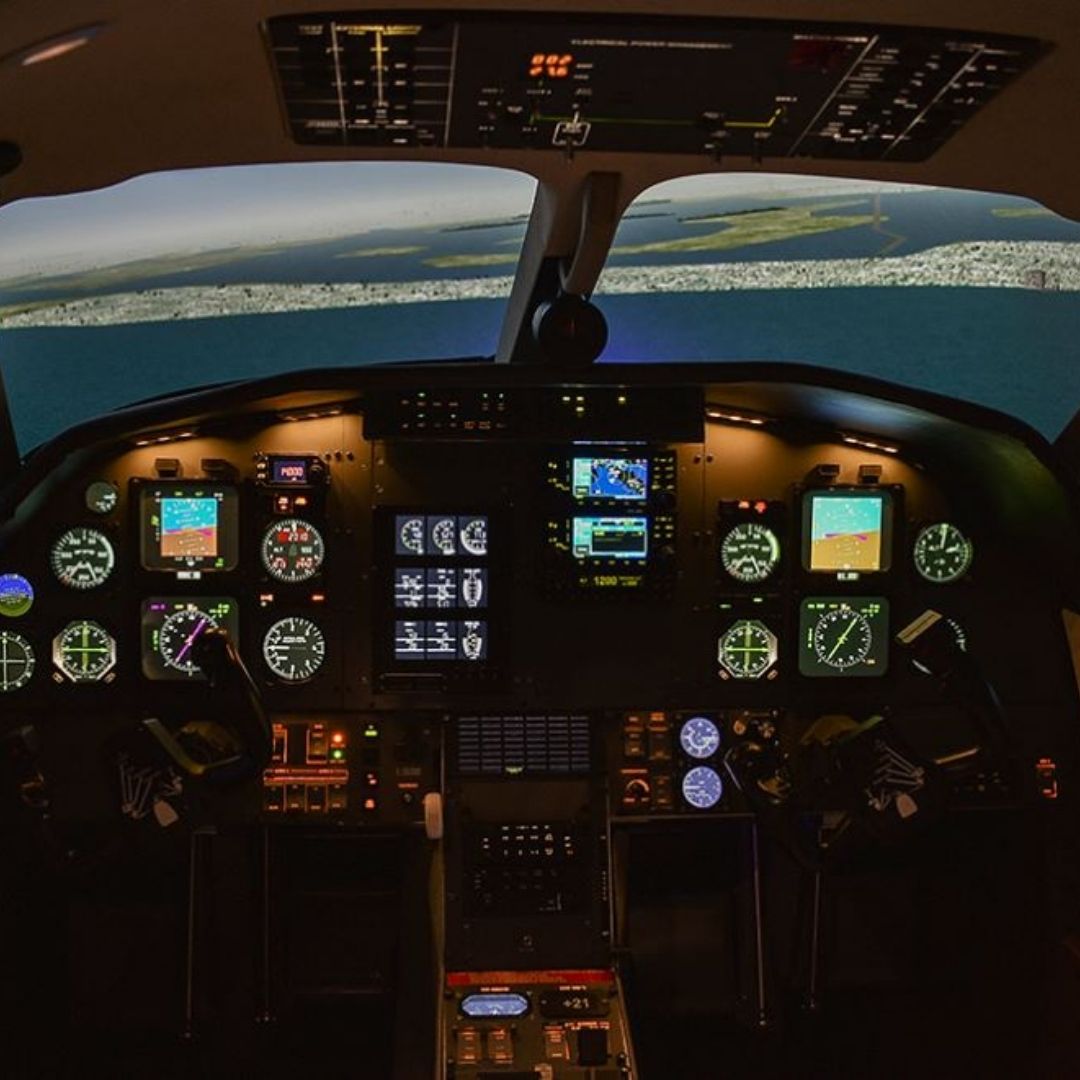
The shift to advanced avionics in aircraft like the PC-12 or King Air series has increased the information flow to the pilot. Managing these integrated systems while hand-flying or troubleshooting requires a disciplined approach to task prioritization. We focus on teaching pilots how to stay ahead of the aircraft, ensuring that technology remains a tool rather than a distraction.
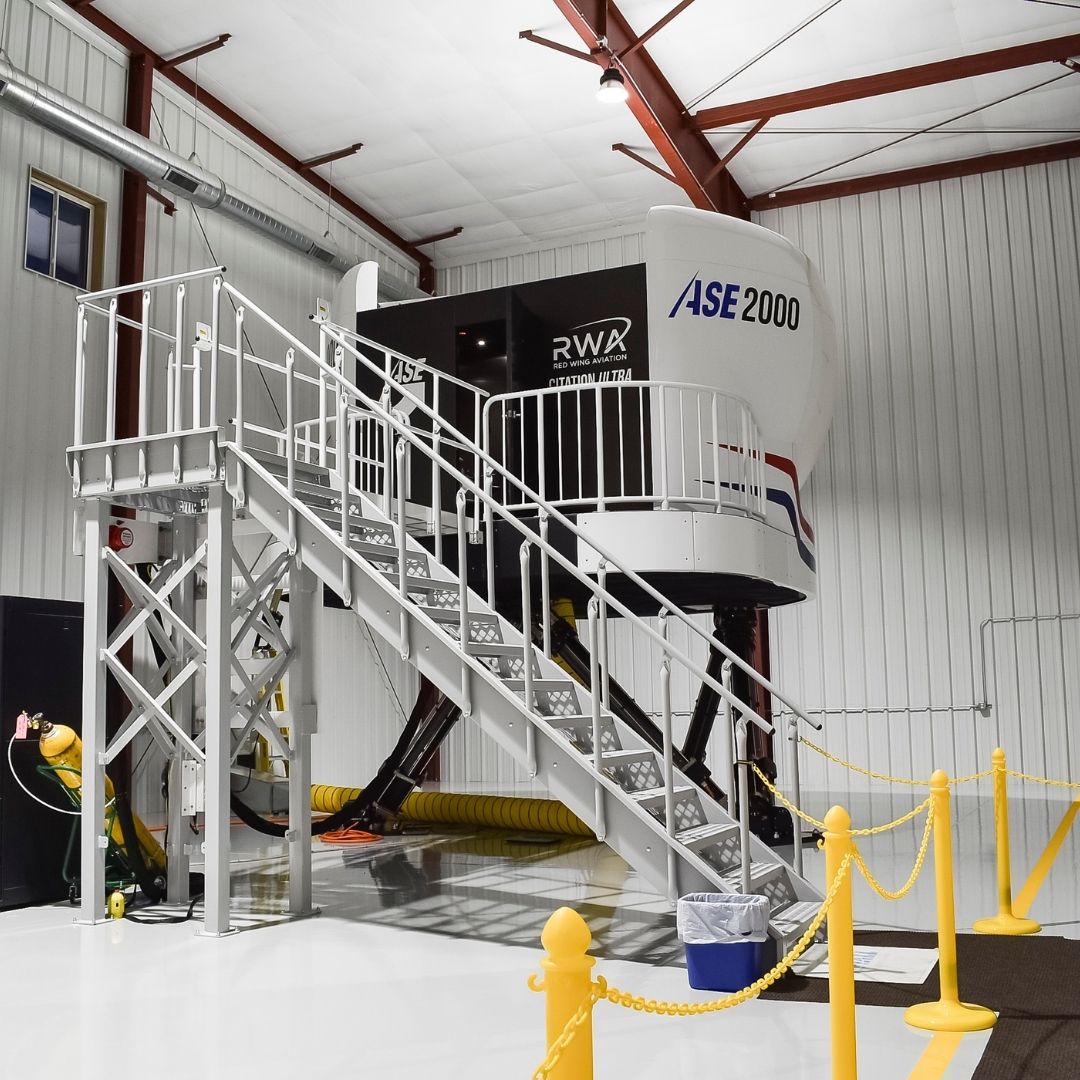
Training for Reality in Level D Simulators
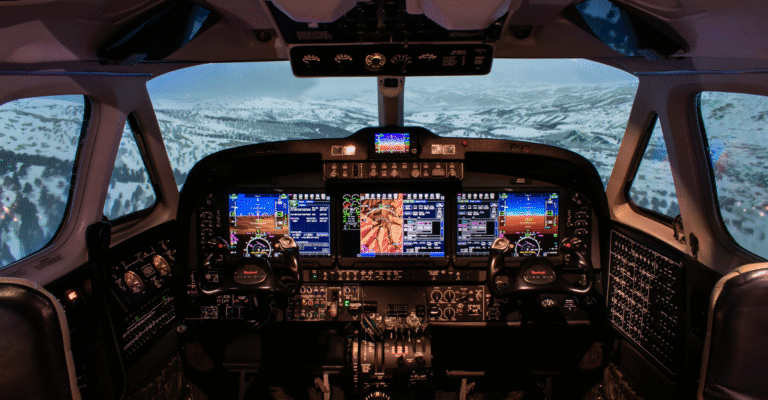
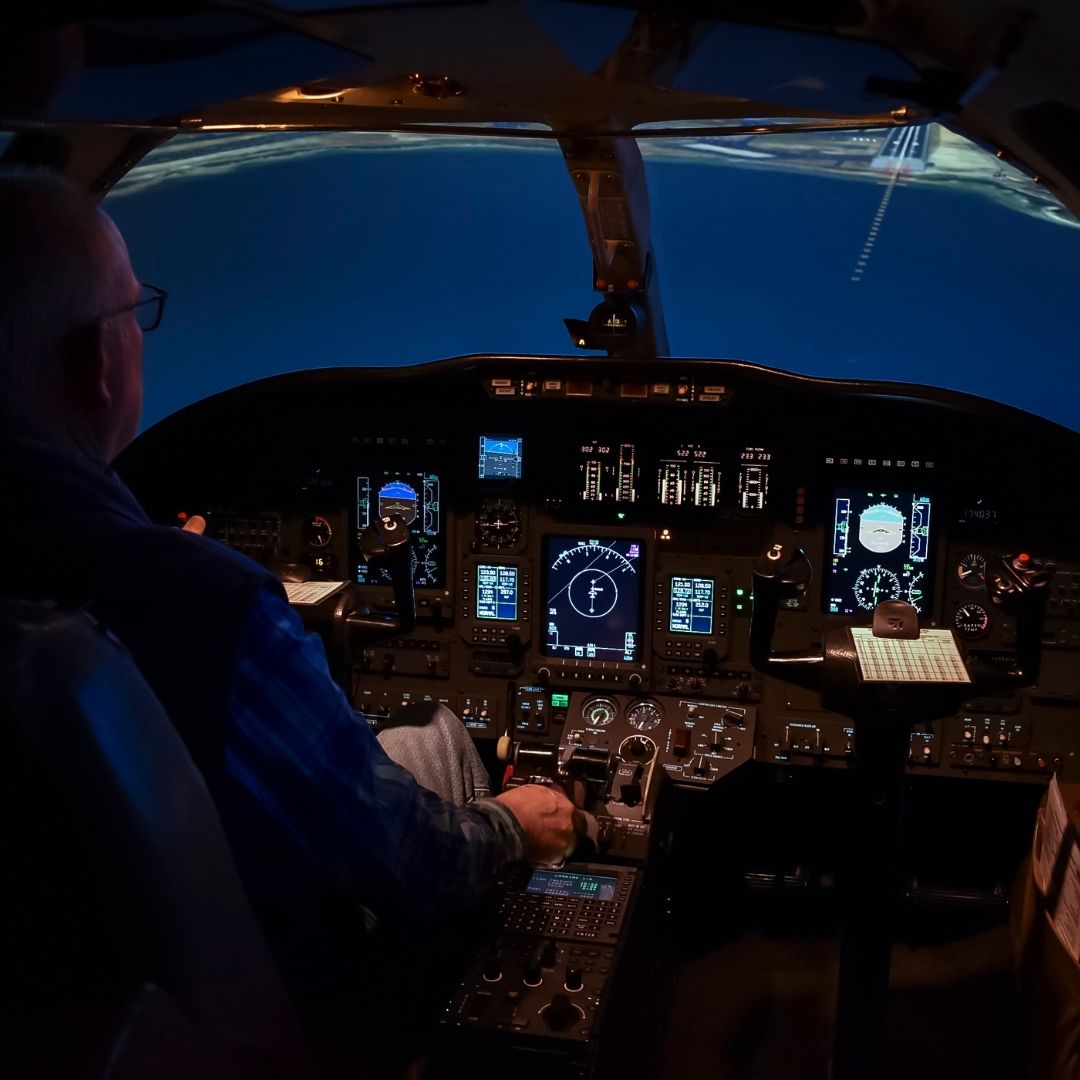
For complex transitions, such as the Cessna Citation CE-500 Series Initial Training, we utilize our FAA Qualified Level D Full Flight Simulators (FFS). These high-fidelity devices allow us to replicate high-workload environments where SRM is tested to the limit. Practicing emergency procedures in a full-motion environment ensures that our reactions become second nature when flying without a co-pilot.
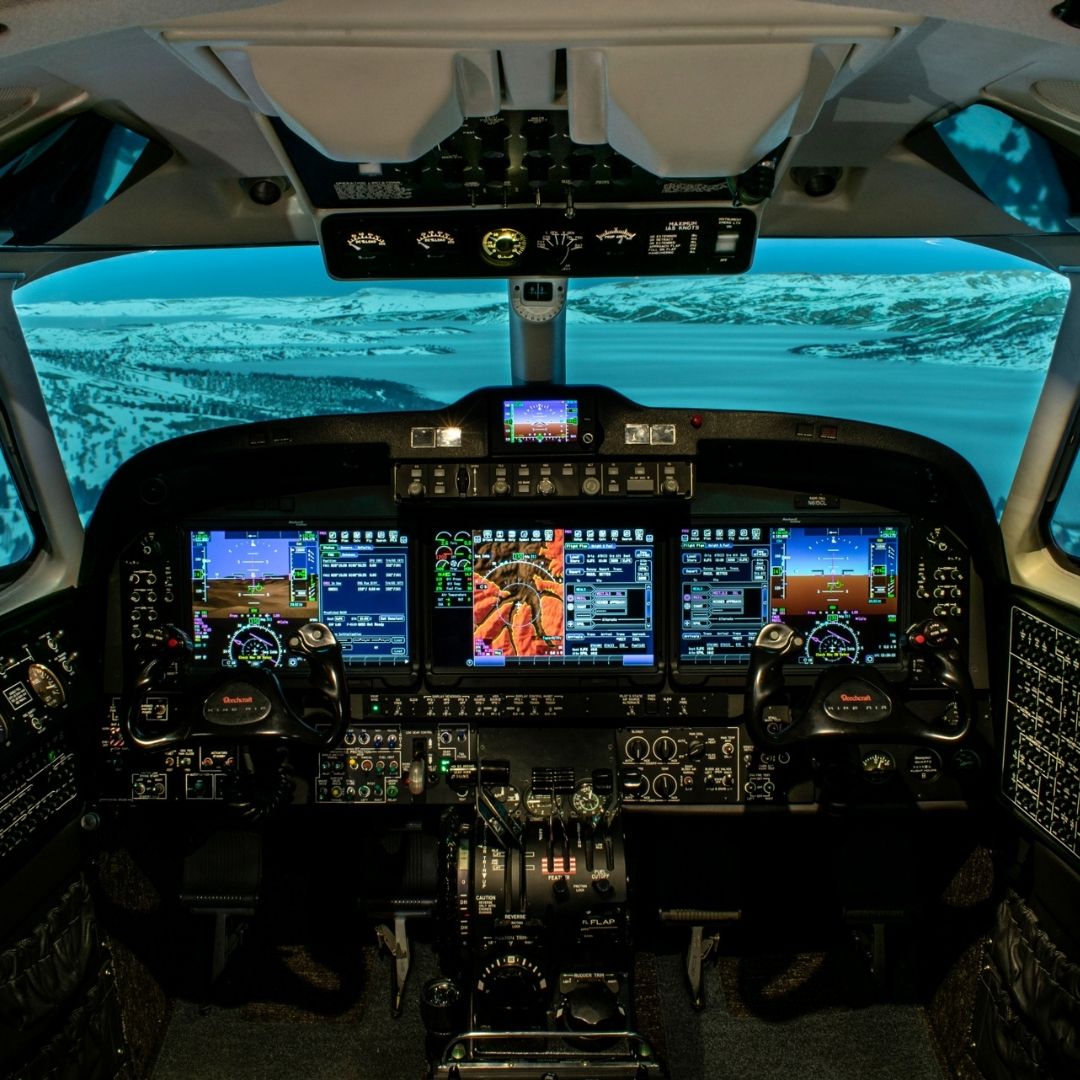
Honing Decision Making in Level 5 Devices
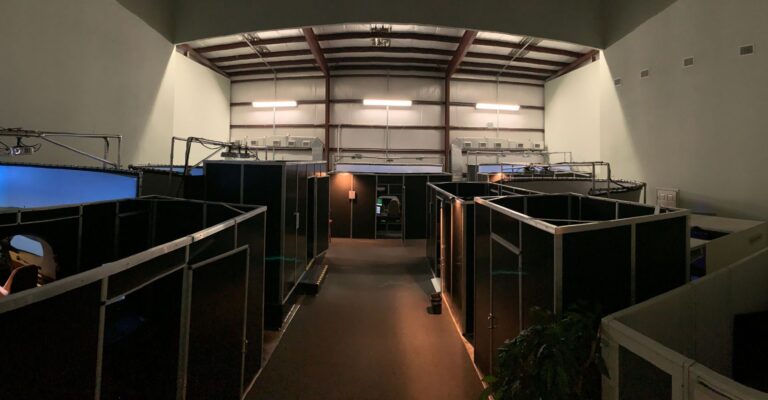
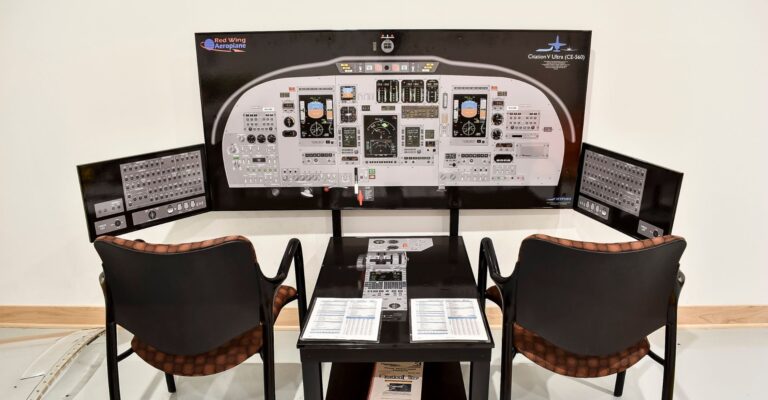
During a King Air 350 / 360 Recurrent Course or Pilatus PC-12 NGX Simulator Training, our FAA Qualified Level 5 Flight Training Devices (FTDs) provide the perfect classroom. We use these FTDs to drill the “5P” check—Plan, Plane, Pilot, Passengers, and Programming. This structured approach to decision-making is what separates a proficient pilot from one who is simply along for the ride.
Building Confidence for Multi-Engine Operations
Whether it is Twin Piper / Cessna Multi-Engine Recurrency or advanced turbine training, the goal is consistent: total situational awareness. By simulating task saturation in a controlled environment, we help pilots recognize the early signs of becoming overwhelmed. This proactive training philosophy ensures that the solo safety margin remains intact, regardless of the challenges encountered in the flight levels.
Mastering SRM is the key to longevity and safety in the cockpit, especially for those of us operating in the demanding world of owner-flown turboprops. From Cessna Citation CE-500 Series Initial Training to specialized recurrency, RTC is dedicated to providing the highest standard of FAA Qualified instruction. We invite you to contact us to discuss your training needs or visit our website to view our full list of simulator capabilities.