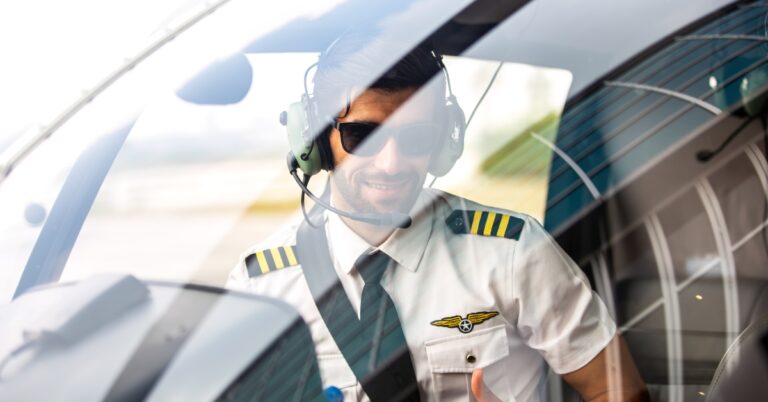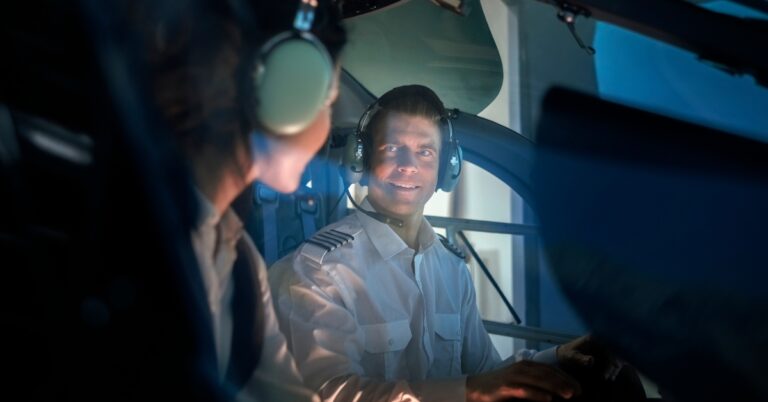
At RTC, we often hear pilots discuss the “Art of the Save,” that split-second decision-making process that turns a potential catastrophe into a safe landing. While traditional in-aircraft training has its place, it is fundamentally limited by the laws of physics and the inherent risks of practicing maneuvers in a live cockpit. Through high-fidelity simulated flight training, we provide an environment where you can master the “save” without endangering yourself or your equipment.
The Danger of “Simulated” Real-World Drills
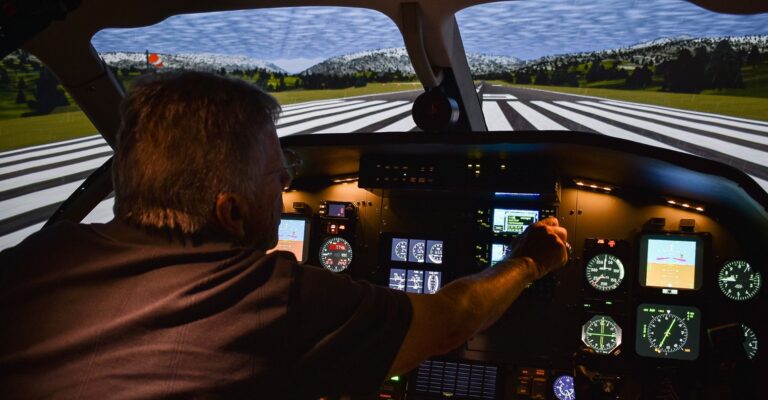
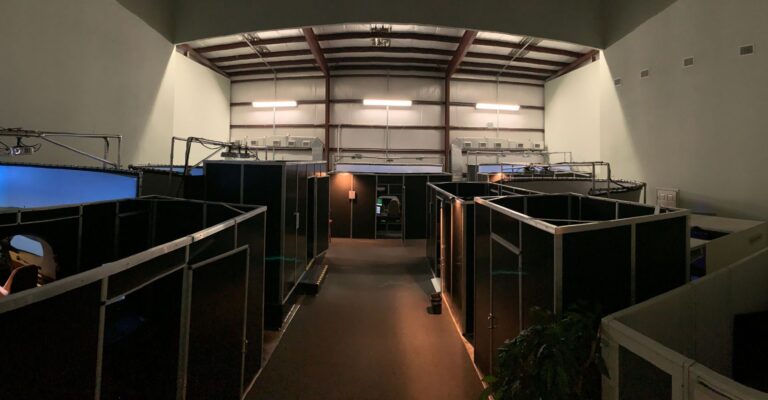
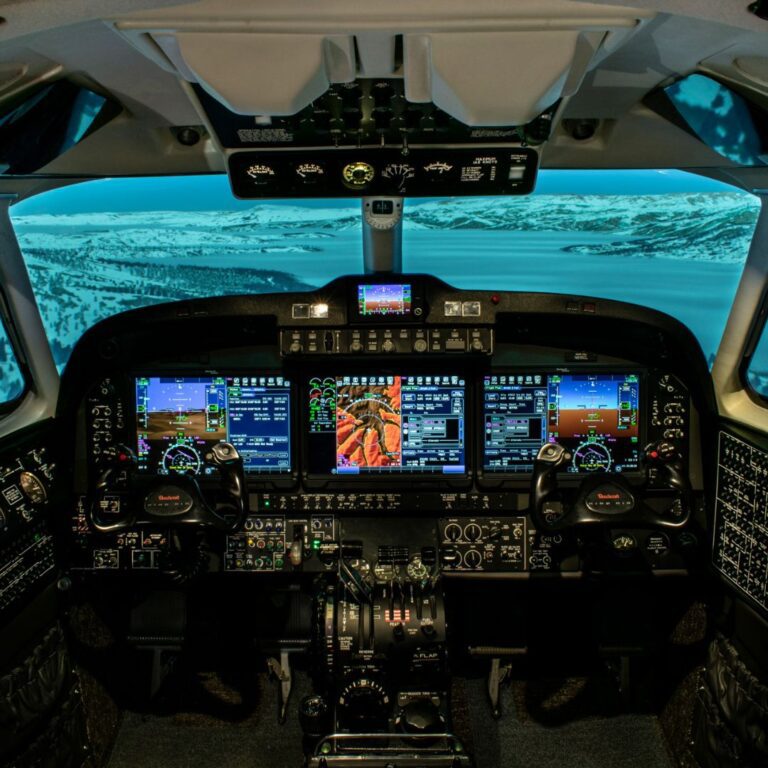
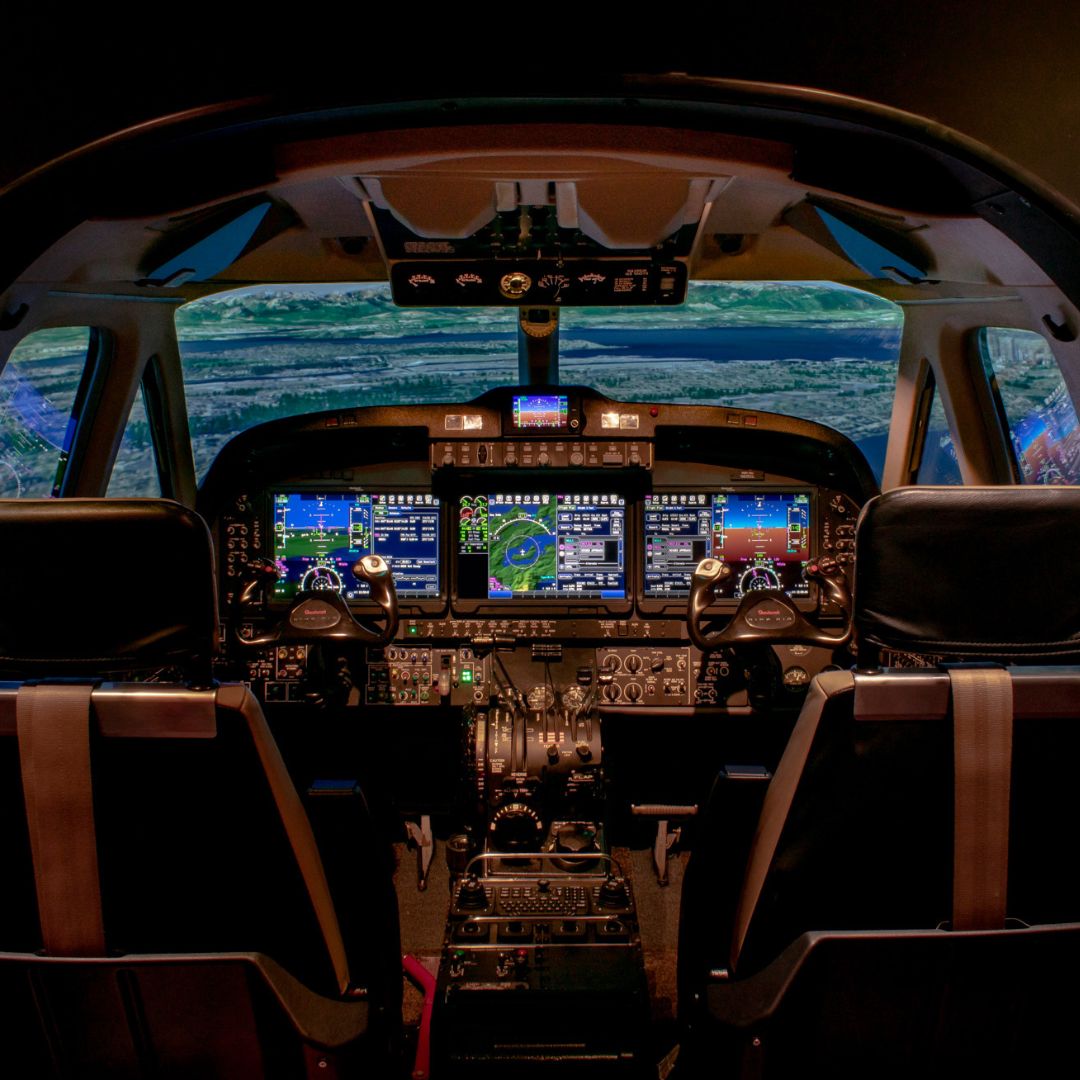
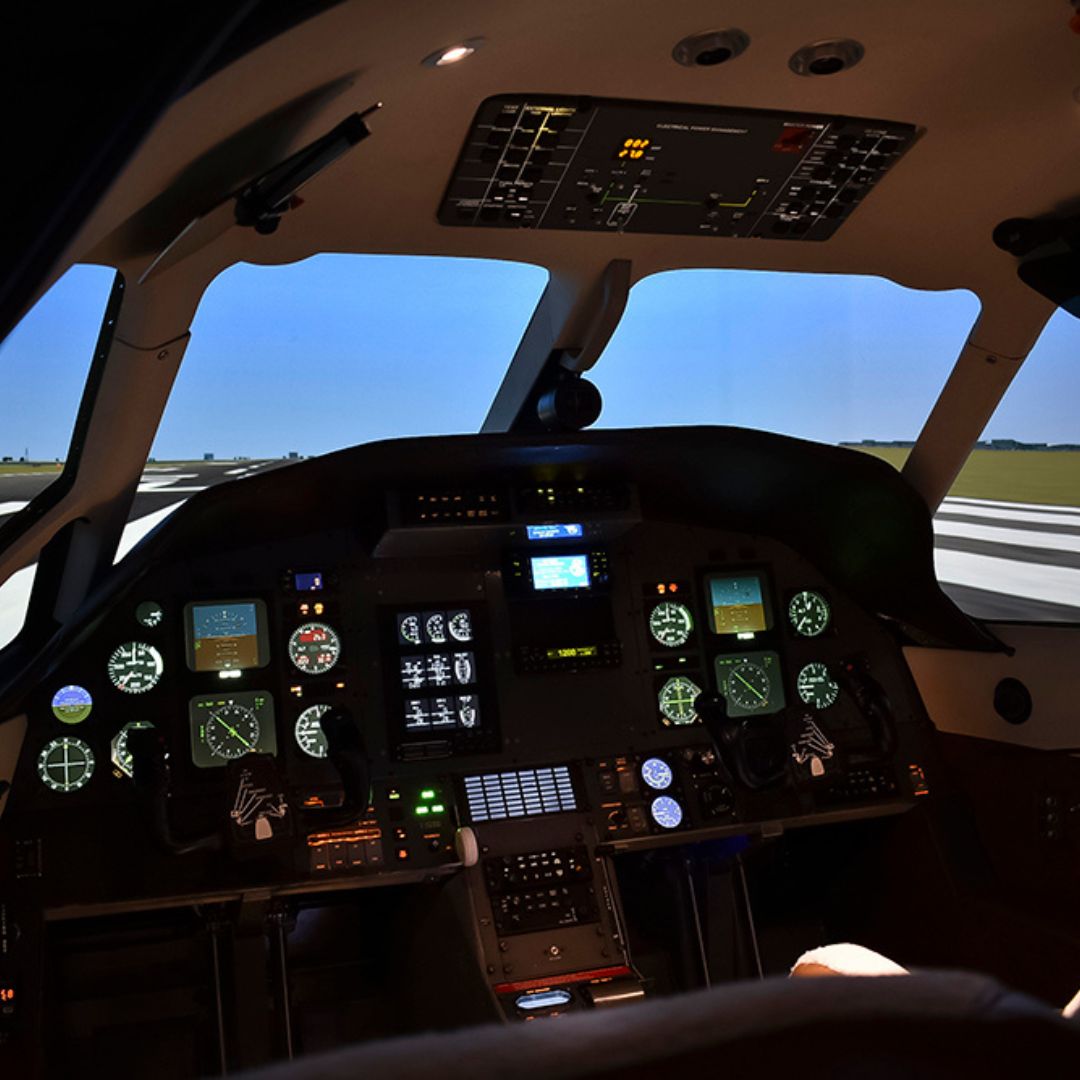
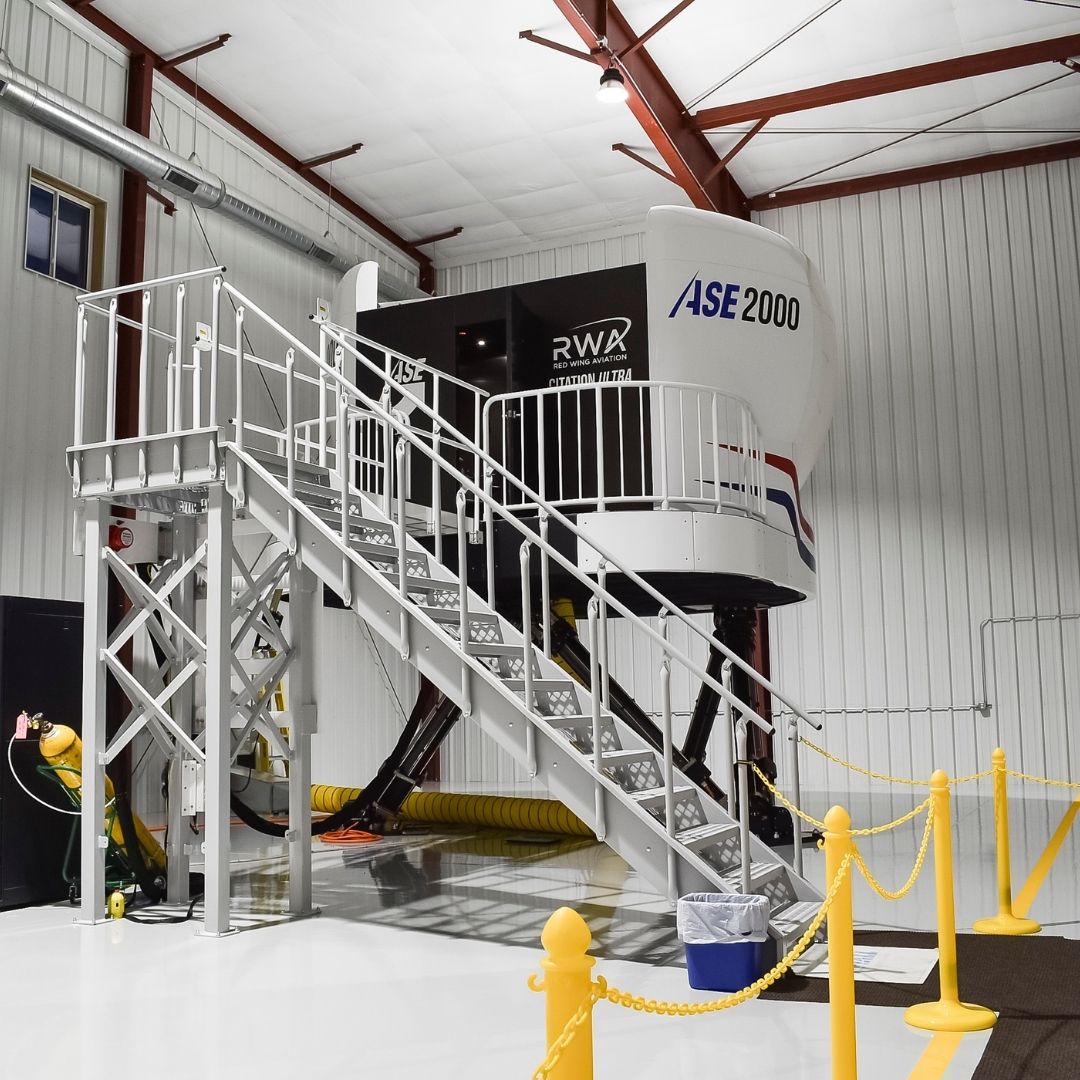
Practicing emergencies in a real aircraft is a compromise between education and safety; you simply cannot “pull an engine” at 200 feet during a critical climb phase without courting disaster. At RTC, we eliminate the need for these compromises in our facility by using our FAA Qualified Level D Full Flight Simulators (FFS). We allow you to experience total system failures at the most dangerous altitudes, providing a level of realism that is impossible—and illegal—to replicate in a real airplane.
Mastering the Startle Factor
The most difficult part of any real-world emergency is the “startle factor,” the initial moment of paralysis that occurs when something goes wrong unexpectedly. Our instructors at RTC use simulated flight training to induce this psychological state in a controlled setting, forcing you to rely on training rather than adrenaline. By repeatedly exposing you to high-consequence scenarios, we help you develop the calm, methodical approach required to successfully manage a true emergency.
Pushing Airframes Beyond Their Limits
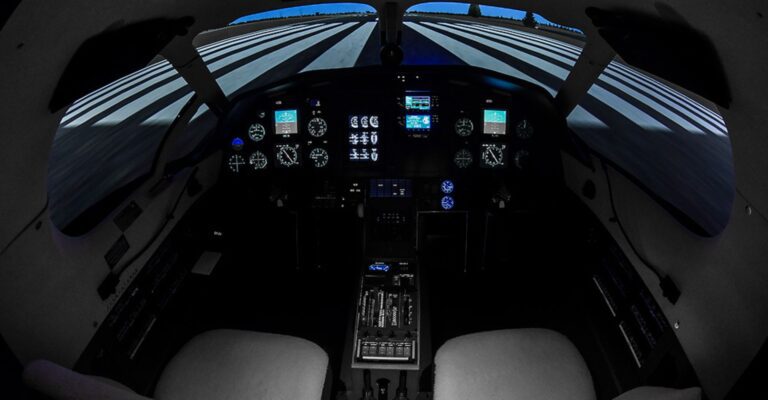
In a live aircraft, you are restricted by operating limitations and the fear of causing permanent structural damage or excessive wear and tear. Our FAA Qualified devices, including our Level 5 Flight Training Devices (FTDs), allow us to explore the edges of the flight envelope, including deep stalls and extreme weather conditions. This freedom enables us to teach you how the aircraft behaves when things go truly wrong, ensuring your first encounter with a limit isn’t in the clouds.
Precision Feedback for Perfect Execution
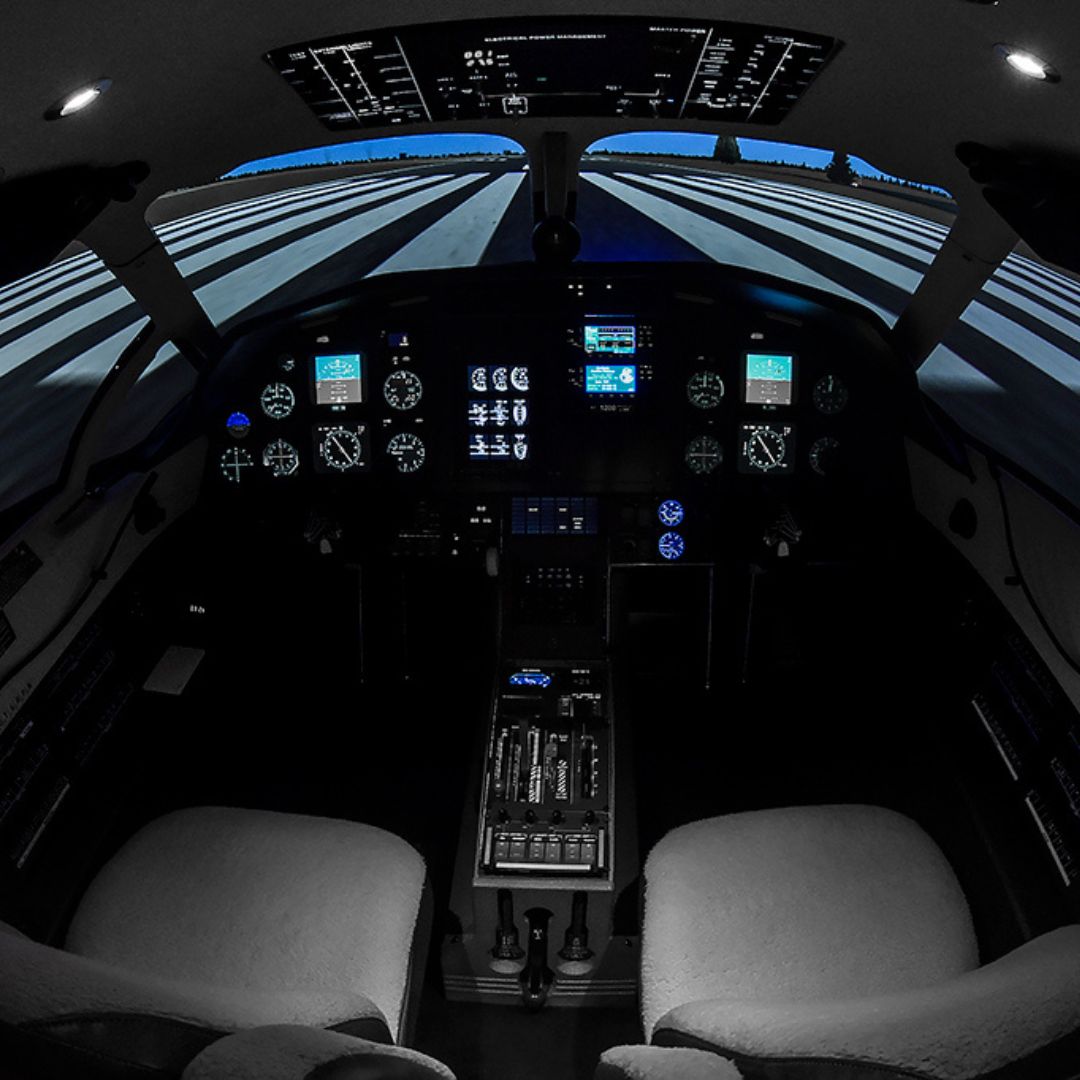
The “Save” isn’t just about survival; it’s about the precision of the recovery, which is why the data-driven nature of our simulators is so vital. At RTC, we can freeze a simulation mid-maneuver to discuss your inputs or “rewind” to try a different tactical approach to the same failure. This iterative learning process ensures that by the time you leave our facility, your emergency procedures are polished, professional, and entirely predictable.
True proficiency is born in the moments where you are pushed to your absolute limits, and at RTC, we provide the safest place on earth to find those boundaries. We believe that by mastering the “Art of the Save” in our FAA Qualified simulators, you are better equipped to protect your passengers and your career. Let us help you elevate your emergency response skills; get in touch with our team today.