Transitioning to the Beechcraft King Air 250 represents a significant career milestone, bridging the gap between high-performance light aircraft and sophisticated turbine operations. As we launch our new King Air 250 training program this October, preparing for initial or recurrent training requires a solid grasp of advanced turboprop systems, pressurized flight envelopes, and multi-engine procedures.
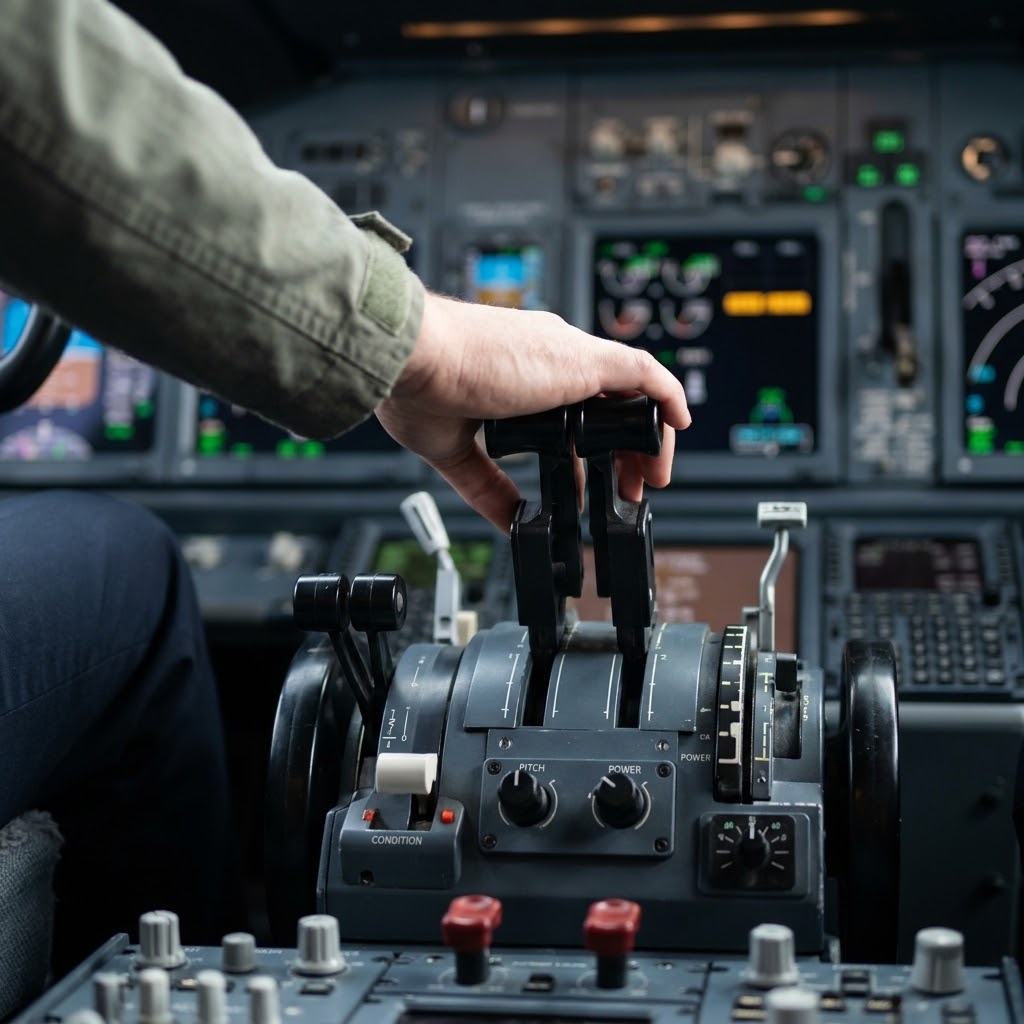
Mastering Turboprop Systems and Engine Management
Transitioning from piston aircraft or lighter turboprops to the PT6A-52 engines demands precise power management and systems awareness. Pilots must master torque, ITT limitations, and propeller governor operations under varying atmospheric conditions. Our training emphasizes procedural fluency to ensure efficient engine operation while protecting high-value turbine components during all phases of flight.
Navigating Pressurization and High-Altitude Operations
Operating in the flight level environment requires a thorough understanding of environmental control systems and cabin pressurization differential limits. Managing cabin altitude, emergency descent procedures, and high-altitude aerodynamics is critical for crew safety. Through scenario-based simulator sessions, we train pilots to recognize subtle system anomalies and execute proper checklist responses promptly.

Precision Multi-Engine Procedures and Energy Management
The added speed and weight of the King Air 250 necessitate disciplined multi-engine handling and energy management strategies. Single-engine failures, asymmetric thrust control, and go-around procedures demand immediate, accurate pilot inputs. Training in our advanced flight training devices allows crews to rehearse critical emergency workflows repeatedly until precise execution becomes second nature.
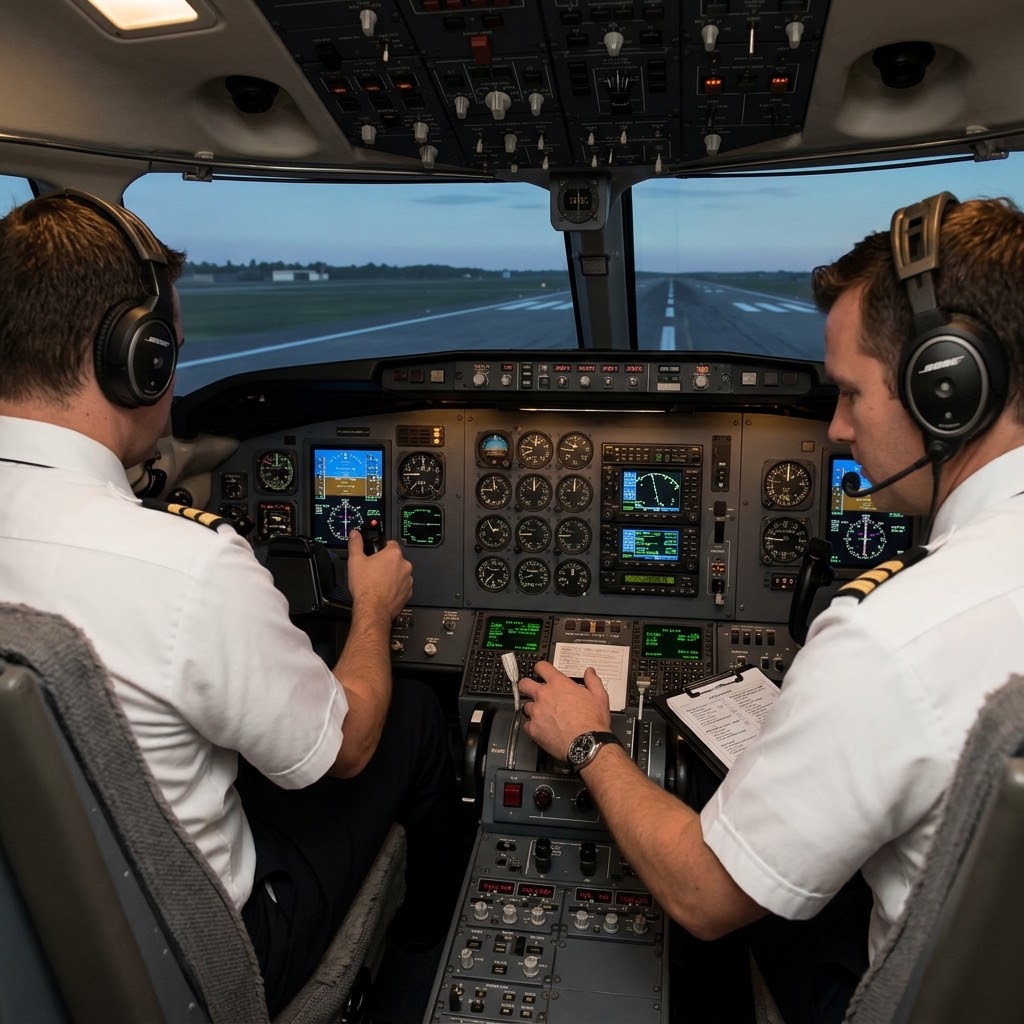
Maximizing Safety with FAA Qualified Simulator Training
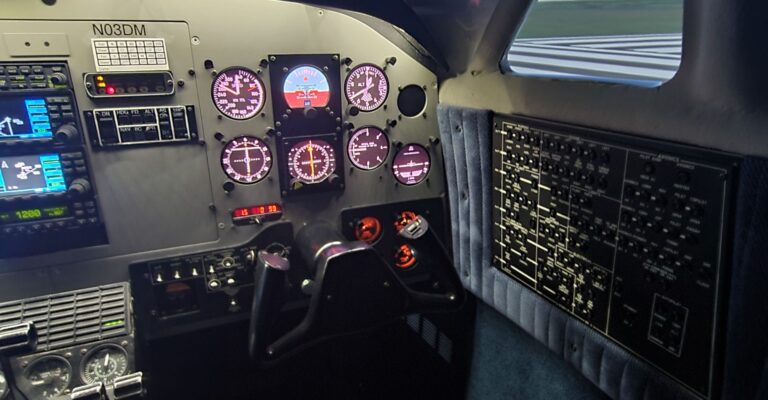
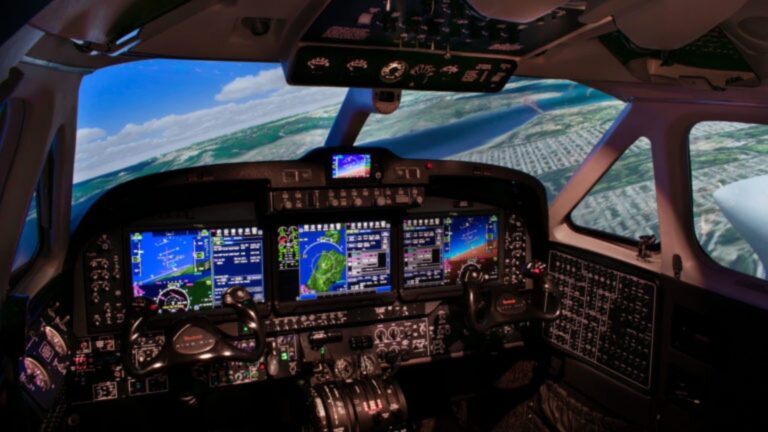
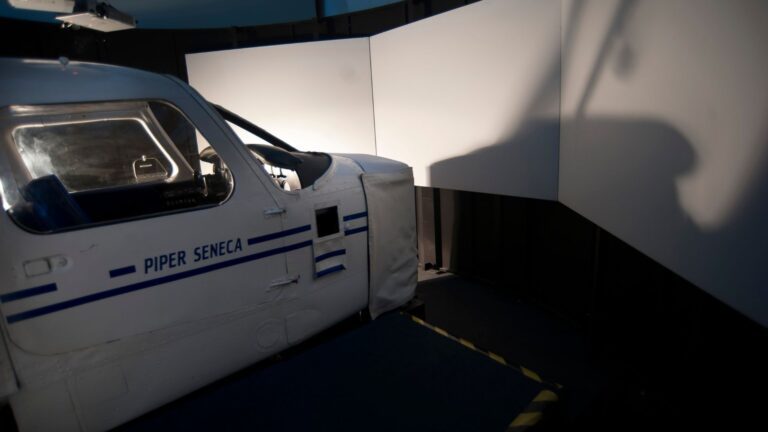
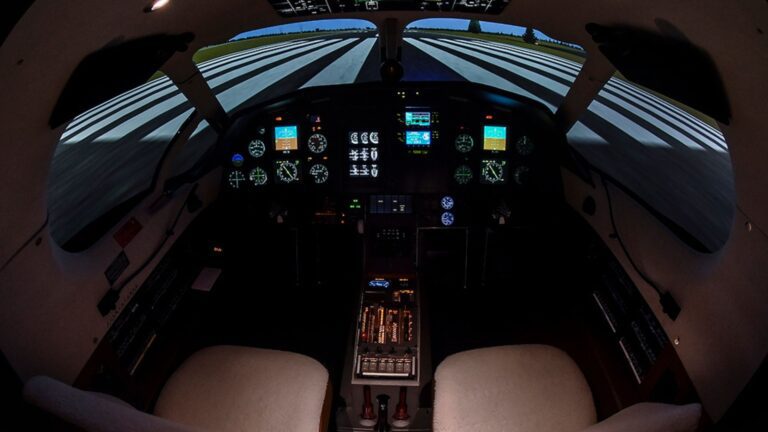
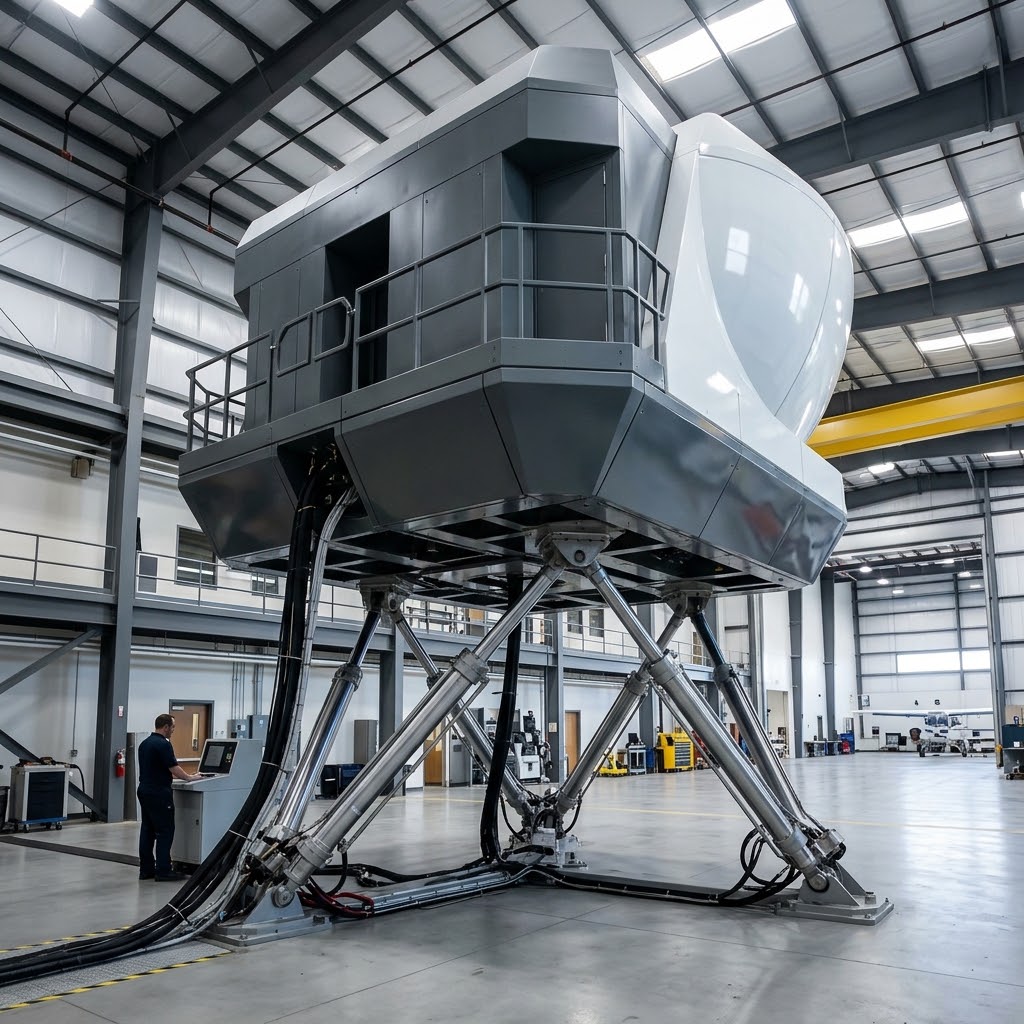
Achieving operational proficiency requires immersive, zero-risk environments where real-world challenges can be safely simulated. We utilize FAA Qualified Level D Full Flight Simulators (FFS) and FAA Qualified Level 5 Flight Training Devices (FTDs) to deliver comprehensive scenario-based instruction. This rigorous simulator environment ensures pilots build unwavering confidence before commanding the actual aircraft.
Mastering the transition to the King Air 250 requires rigorous preparation, deep system knowledge, and dedicated simulator practice. At RTC, our FAA qualified flight training devices and expert instructors provide the comprehensive foundation needed for both initial type ratings and recurrent proficiency. Visit our website to learn more about our upcoming October King Air 250 program or contact our admissions team today to reserve your spot on the waitlist.