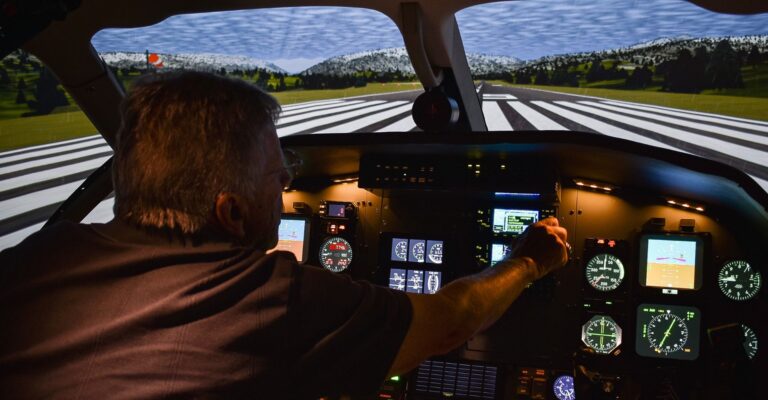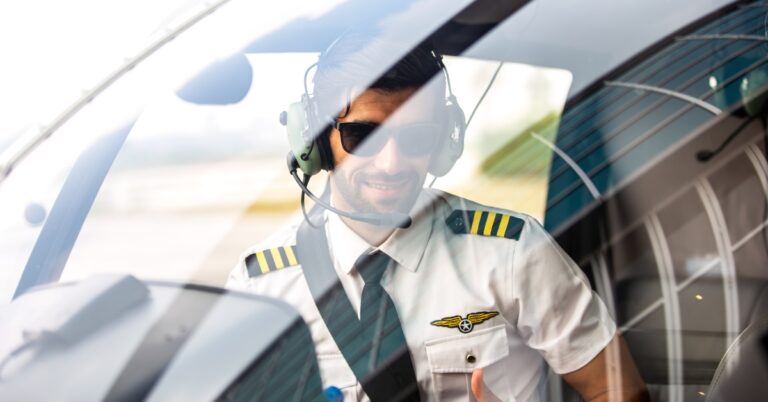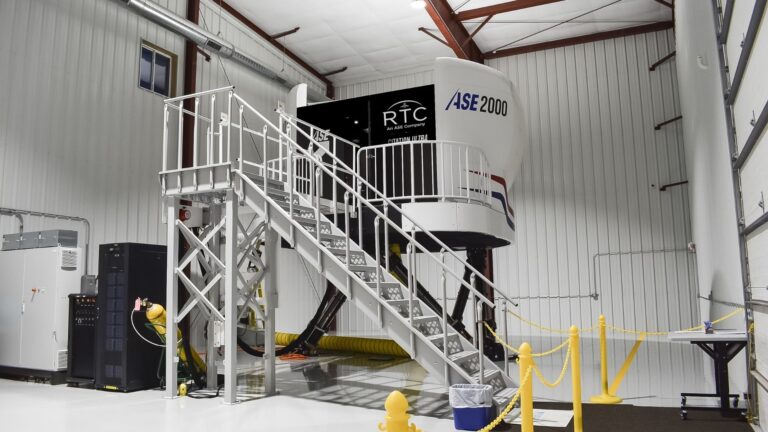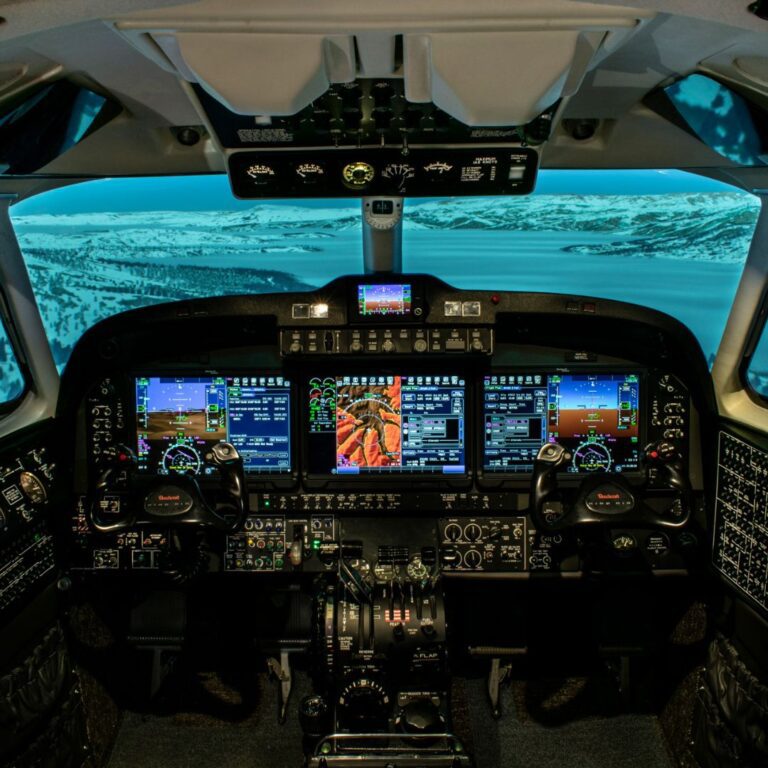
Maintaining peak pilot proficiency requires rigorous, repetitive practice that pushes decision-making abilities without compromising flight safety. While traditional in-aircraft drills have long been utilized for recurrent training, modern aviation demands a safer, more efficient approach. Transitioning your recurrent training to an FAA Part 142 flight training center offers unparalleled operational advantages over practicing procedures in an actual airframe.
Zero-Risk Practice of High-Consequence Emergency Protocols
Executing engine failures, system malfunctions, and loss-of-control scenarios in an actual aircraft introduces unnecessary physical risk to crew and equipment. Inside our FAA Qualified Level D Full Flight Simulators (FFS), pilots can experience realistic system degradations and severe environmental conditions safely. This allows crews to build muscle memory and refine critical decision-making under extreme stress without exposure to real-world hazards.
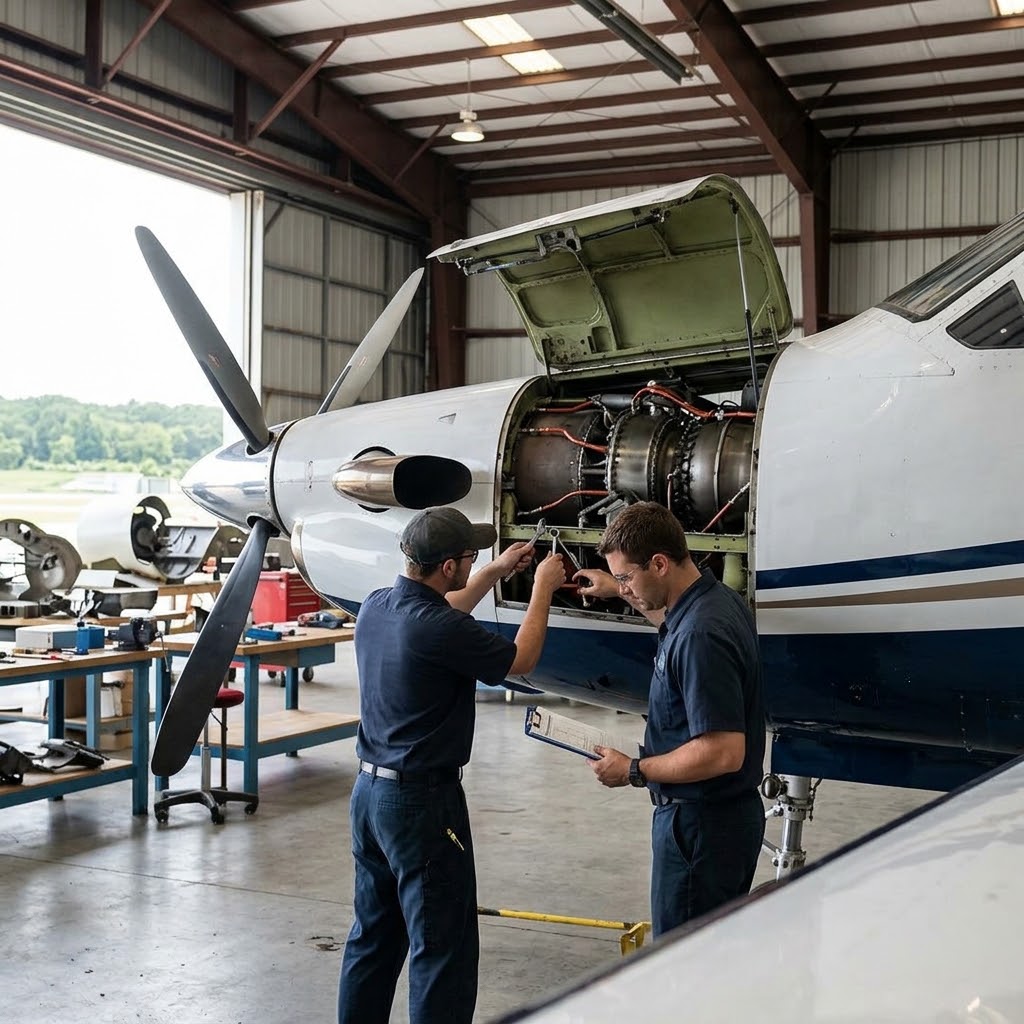
Superior Cost Efficiency and Reduced Maintenance Overhead
Conducting recurrent maneuvers in your own turbine aircraft incurs heavy costs through fuel burn, engine cycles, and accelerated airframe wear. Utilizing specialized simulator technology eliminates these operational overheads while preserving your fleet for revenue flights. By shifting high-wear maneuvers to simulator sessions, flight departments significantly reduce maintenance expenses and avoid unexpected aircraft downtime associated with training wear.
Maximized Training Hours with Uninterrupted Operating Schedules
In-flight training relies heavily on favorable weather conditions, air traffic control clearances, and aircraft availability, leading to frequent scheduling delays. Simulator-based recurrent programs operate seamlessly regardless of external weather or airspace congestion. Crews optimize every hour of training time in dedicated FAA Qualified Level 5 Flight Training Devices (FTDs), ensuring focused instruction without operational interruptions.
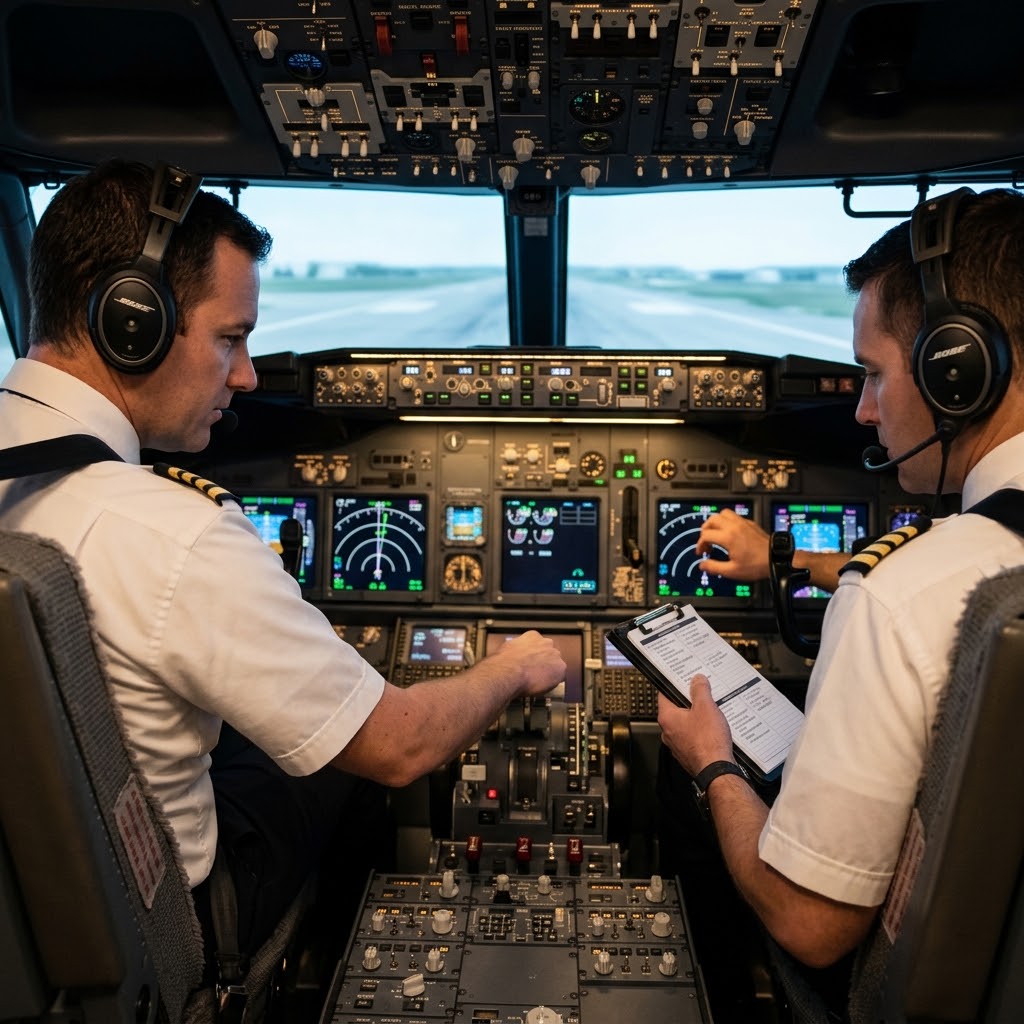
Comprehensive Performance Analytics and Scenario Replays
In-aircraft training offers limited opportunity for immediate debriefing, as instructors must manage air traffic and flight safety simultaneously. Advanced simulator environments capture detailed telemetry and flight data, allowing instructors to freeze scenarios and replay maneuvers instantly. This precise feedback mechanism helps pilots identify subtle procedural errors, analyze energy management, and achieve true mastery faster.
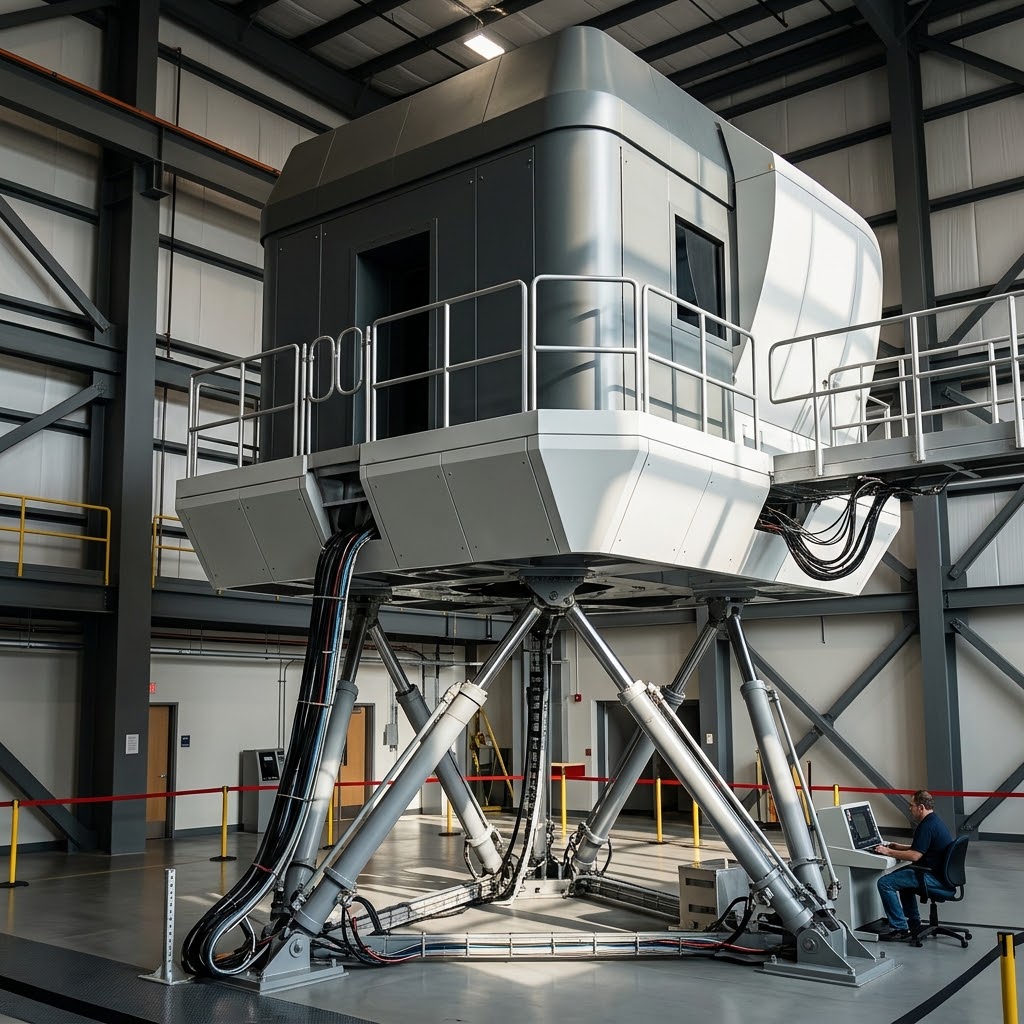
Transitioning to simulator-based recurrent training delivers superior safety, significant cost savings, and unmatched instructional quality compared to in-aircraft drills. At RTC, our FAA qualified flight training devices and experienced instructors provide comprehensive scenario-based programs designed to elevate crew readiness. Contact our admissions team today to schedule your next recurrent training event or explore our advanced simulator capabilities online.