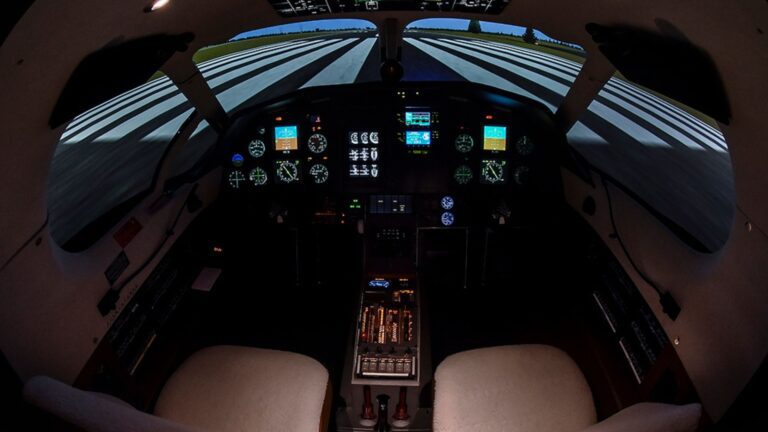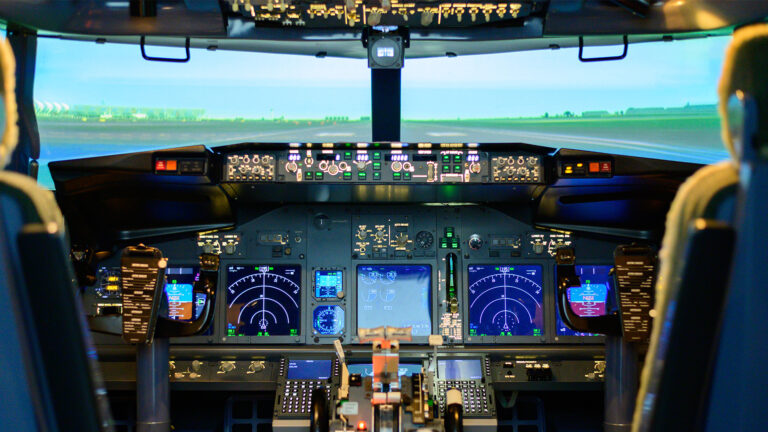
Training inside a live aircraft introduces distractions and risks that can hinder the learning process. While the sky is a great place to fly, it is often an unforgiving place to learn complex emergency procedures. At RTC, we believe the most effective way to sharpen your skills is through a controlled, high-fidelity environment designed for education.
The Limitations of In-Aircraft Instruction
Training in a physical airplane limits our ability to safely replicate critical system failures or extreme weather conditions. Attempting to simulate an engine fire or total hydraulic failure while airborne introduces unnecessary risks to the pilot and the airframe. By moving these scenarios into a simulator, we ensure that every lesson is both rigorous and safe.
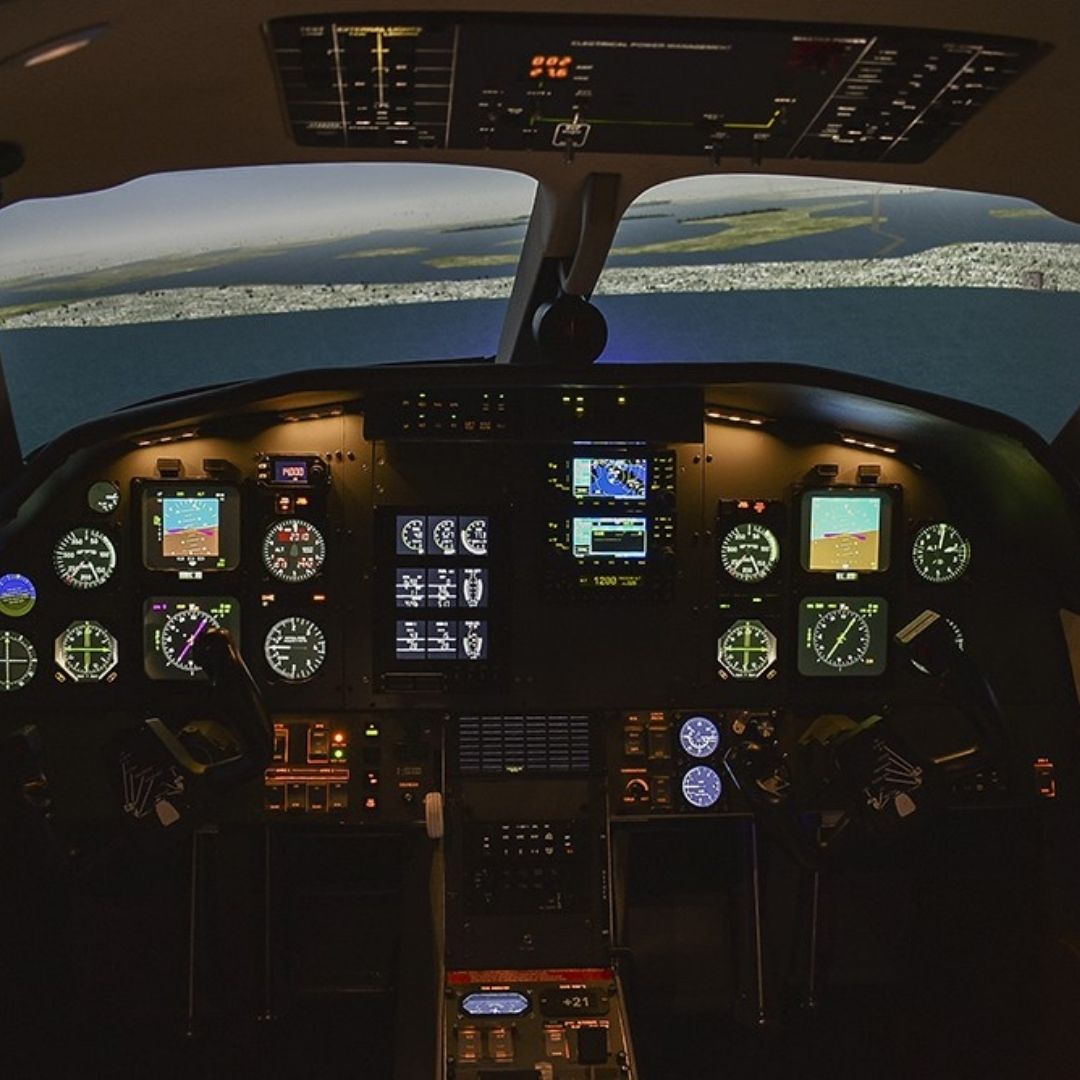
Unmatched Realism in Level D Simulators
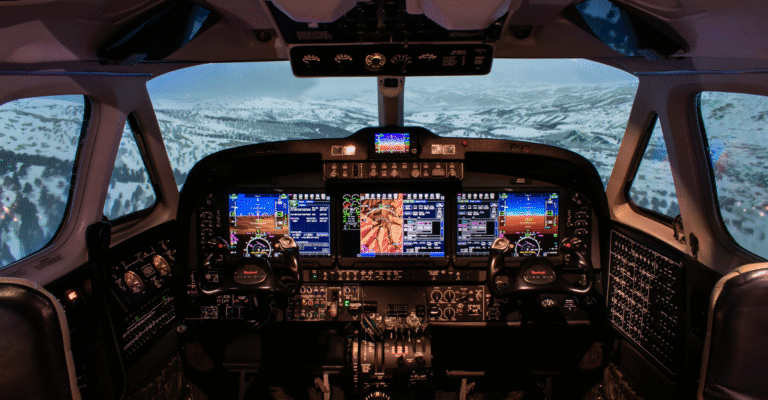
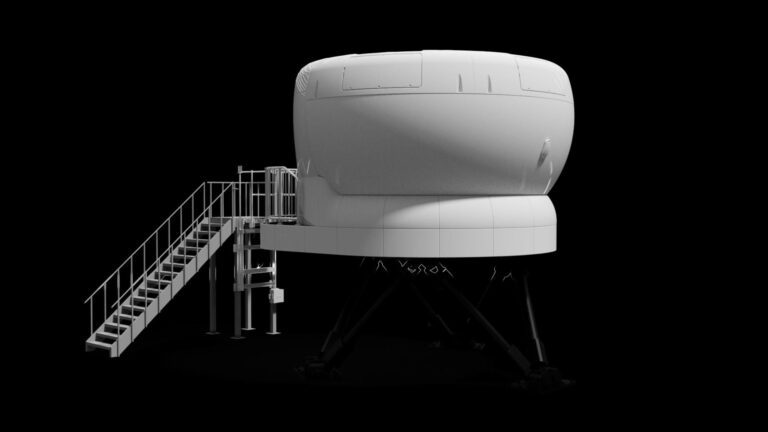
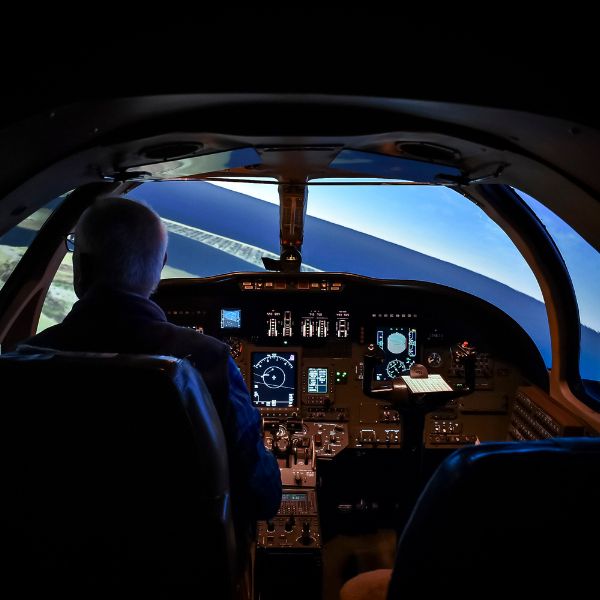
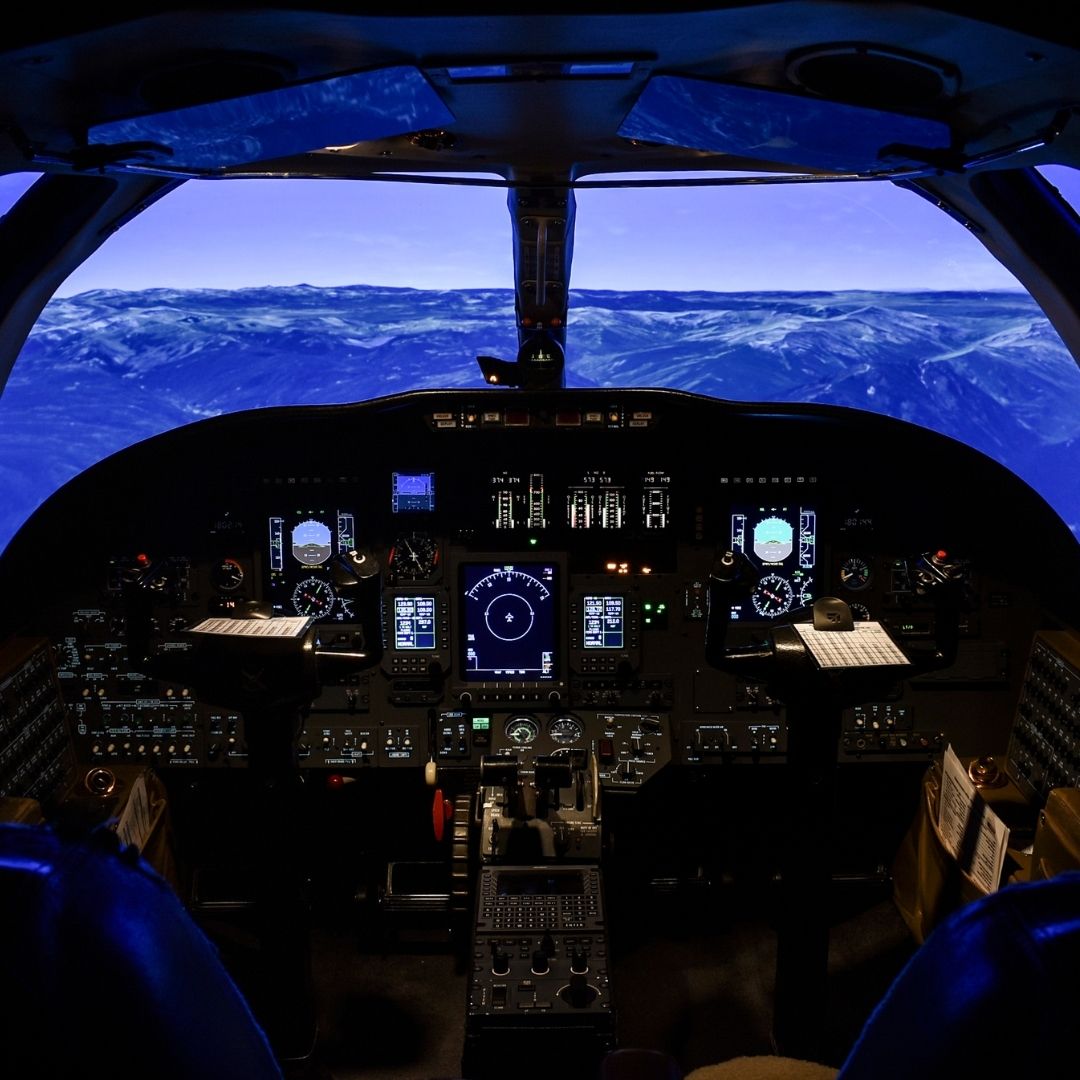
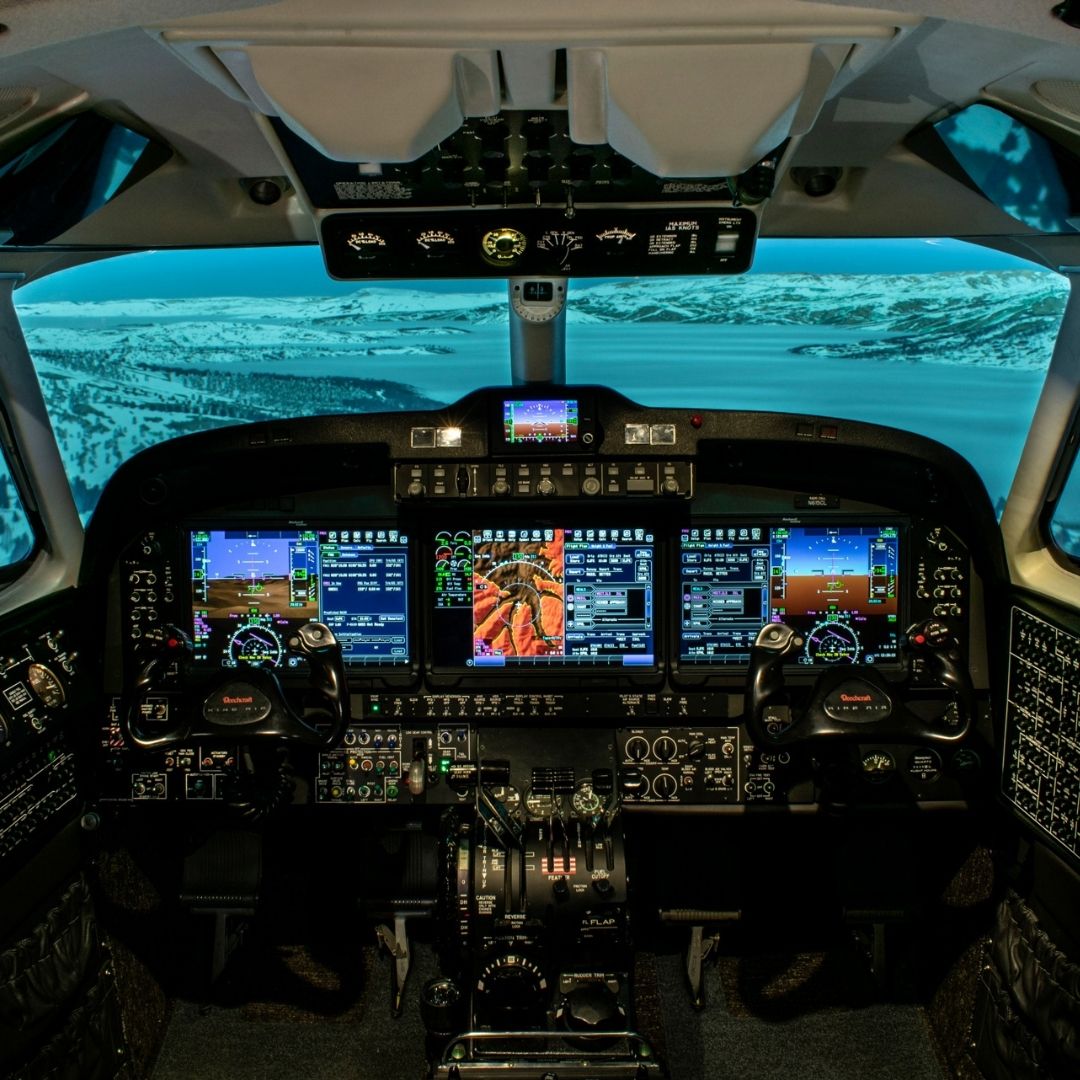
For programs like our King Air 350 Type Rating or Cessna Citation CE-500 Initial Training, we utilize FAA Qualified Level D Full Flight Simulators (FFS). These advanced devices provide total motion and visual immersion, allowing us to practice high-stakes maneuvers with exact precision. This level of fidelity ensures that the transitions from the simulator to the jet are seamless.
Effective Learning in Level 5 Devices
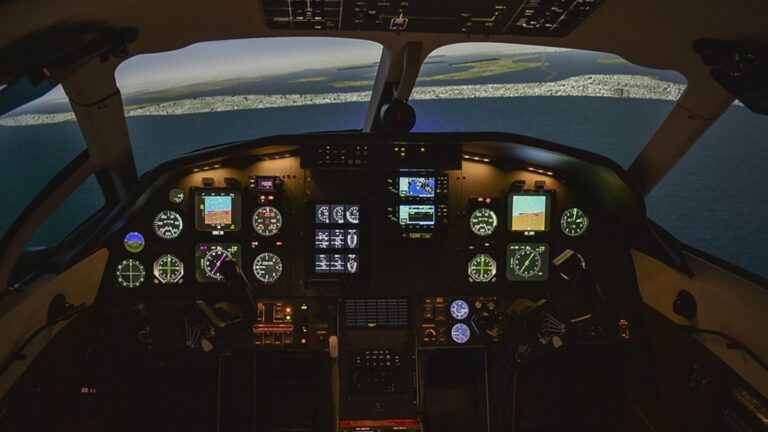
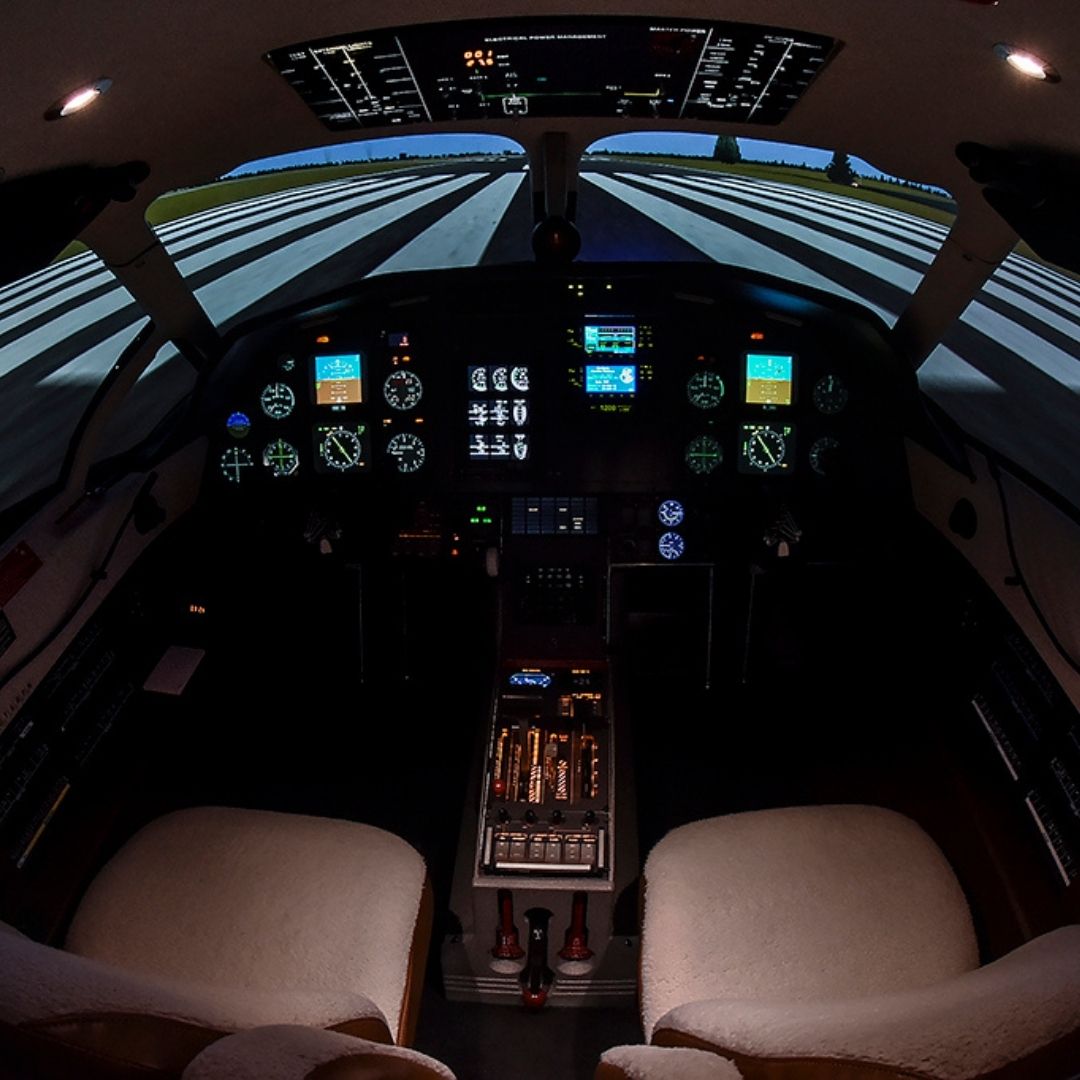
Our FAA Qualified Level 5 Flight Training Devices (FTDs) offer an ideal setting for Pilatus PC-12 Recurrent Training and Twin Piston Recurrent Training. These devices allow us to focus intensely on cockpit flow and avionics management without the noise and vibration of a live engine. This controlled atmosphere fosters better retention of complex procedures and emergency checklists.
A Focused Environment for Pilot Mastery
Simulators allow us to pause, debrief, and repeat specific maneuvers—a luxury that simply doesn’t exist at ten thousand feet. This efficiency means more “reps and sets” in a shorter amount of time. Whether we are practicing in a Level D Full Flight Simulator or a Level 5 FTD, the focus remains entirely on the student’s performance.
Choosing simulator-based instruction ensures that we prioritize safety while achieving a higher standard of proficiency. From King Air 350 Type Rating courses to specialized Twin Piston Recurrent Training, RTC provides the professional environment necessary for success. We invite you to explore our FAA Qualified training programs and schedule your next session. Contact our team today to learn more about our advanced flight training solutions.